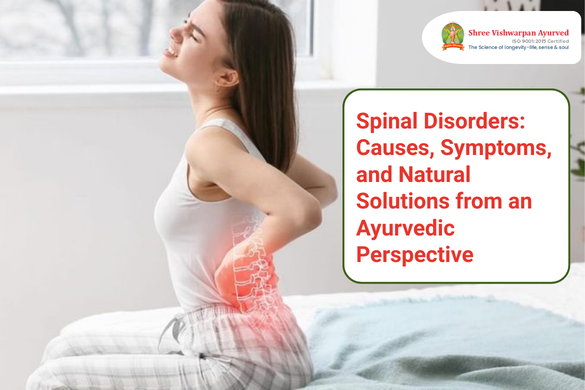
Due to today’s fast-paced lifestyle, spinal disorders are increasing rapidly. Prolonged sitting, incorrect posture, stress, and lack of proper sleep have made back pain and spine-related problems very common. In such situations, many people look for natural and balanced treatment approaches. Some patients have explored Ayurvedic treatment methods at an Ayurvedic panchakarma clinic in sinhagad road pune, reflecting the growing interest in traditional healing systems.
This article provides in-depth information about spinal disorders — their causes, symptoms, and Ayurvedic management approaches.
What Are Spinal Disorders?
The spine is the main support structure of the body. It connects the neck, upper back, and lower back. When there is any disturbance in the vertebrae, muscles, discs, or nerves of the spine, symptoms such as pain, restricted movement, or tingling sensations may occur.
Common Types:
- Cervical Spondylitis (Neck Pain)
- Lumbar Spondylitis (Lower Back Pain)
- Slip Disc
- Sciatica
- Disc Degeneration
These conditions may initially appear mild but can become severe if neglected.
Major Causes of Spinal Disorders
1. Incorrect Posture
Sitting in a bent position for long hours, looking down at mobile devices, or working at an improperly adjusted desk creates uneven pressure on the spine. Over time, this weakens the supporting muscles and leads to pain.
2. Lack of Physical Activity
Without regular exercise, muscles lose strength. Weak spinal muscles cannot properly support body weight, increasing strain on the vertebrae and discs.
3. Excess Body Weight
Increased weight puts additional stress on the lower back, especially the lumbar region. This may affect spinal discs and contribute to discomfort.
4. Aging
With age, bone density decreases and spinal discs lose hydration, making them less flexible. This can result in stiffness and pain during movement.
5. Mental Stress
Stress causes muscles to remain tense for extended periods, especially around the neck and shoulders, leading to discomfort and pain.
Symptoms of Spinal Disorders
- Persistent or recurring back pain
- Heaviness in the neck, shoulders, or lower back
- Tingling or numbness in the legs
- Increased pain during movement
- Disturbed sleep due to discomfort
Though symptoms may initially be mild, ignoring them can lead to serious complications.
Ayurvedic Perspective
According to Ayurveda, spinal disorders are primarily associated with an imbalance of Vata dosha. Vata governs movement in the body. When Vata becomes aggravated, it affects the joints, bones, and nervous system, leading to pain and stiffness.
Causes of Vata Aggravation:
- Cold and dry food
- Irregular daily routine
- Insufficient sleep
- Mental stress
Ayurvedic treatment focuses on restoring dosha balance rather than only managing symptoms.
- Cold and dry food
Ayurvedic Natural Therapies (Detailed Explanation)
1. Abhyanga (Oil Massage)
Therapeutic oil massage strengthens muscles and reduces dryness. Medicinal oils penetrate through the skin and nourish deeper tissues. Regular Abhyanga improves circulation and helps reduce pain and stiffness.
2. Swedana (Steam Therapy)
Steam therapy relaxes tight muscles and reduces stiffness. It improves blood flow and supports pain relief.
3. Basti Therapy
Basti is considered highly effective for balancing aggravated Vata. Medicated oils or herbal decoctions are administered in a specific manner to reduce dryness and nourish tissues, especially in chronic spinal conditions.
4. Kati Basti
In this therapy, warm medicated oil is retained over the lower back for a specific duration. It is often recommended in cases of lower back pain, slip disc, and sciatica.
5. Yoga and Pranayama
Yoga postures such as Bhujangasana (Cobra Pose), Makarasana (Crocodile Pose), and Tadasana (Mountain Pose) help maintain spinal flexibility. Pranayama reduces mental stress and relaxes muscles.
Daily Care and Preventive Measures
- Maintain proper sitting posture
- Take short breaks every 45 minutes
- Practice moderate exercise regularly
- Maintain healthy body weight
- Ensure adequate sleep
About Shree Vishwarpan Ayurved Rugnalay, Panchakarma & Research Centre
This center follows traditional Ayurvedic principles in its approach. Through Panchakarma therapies, herbal treatments, and lifestyle guidance, awareness regarding spinal health is promoted. The treatment approach emphasizes restoring dosha balance and supporting long-term well-being.
Conclusion
Spinal disorders are largely lifestyle-related. Proper posture, regular exercise, balanced diet, and stress management play a vital role in prevention and recovery. Ayurveda focuses on addressing the root cause by restoring internal balance. By adopting natural approaches, long-term improvement in spinal health can be achieved. Many individuals have explored options related to Ayurvedic Back pain treatment in Sinhagad Road, Pune, reflecting increasing awareness of traditional therapeutic methods.
Frequently Asked Questions (FAQs)
1. When should spinal pain be considered serious?
If back pain persists for more than 7–10 days, does not reduce with rest, or gradually worsens, it may be considered serious. Symptoms like numbness, weakness, tingling in the legs, or difficulty walking require immediate evaluation. Early intervention helps prevent complications.
2. Can spinal disorders be completely cured through Ayurveda?
The outcome depends on the individual’s constitution, severity of the condition, and lifestyle. Ayurveda aims to balance Vata, nourish tissues, and slow degeneration. In early stages, significant improvement is possible. In chronic cases, consistent treatment and disciplined lifestyle changes are necessary.
3. How does Panchakarma help in spinal pain?
Panchakarma aims to eliminate aggravated doshas and restore balance. Basti therapy is particularly beneficial for Vata-related conditions. Local treatments like Kati Basti and Greeva Basti improve circulation, relax muscles, and reduce stiffness. Steam therapy further reduces muscular tension. Proper medical supervision is essential.
4. Can yoga improve slip disc or sciatica?
Yoga enhances flexibility and strengthens supporting muscles. However, in severe cases, incorrect practice may worsen symptoms. Yoga should always be performed under expert guidance and after medical consultation. It is a supportive therapy, not a replacement for primary treatment.
5. How can spinal disorders be prevented?
Maintaining correct posture, engaging in light regular exercise, controlling weight, and following a balanced diet are essential preventive measures. Avoid prolonged sitting, use proper bedding, lift heavy objects carefully, and manage stress effectively.
6. How important is diet in managing spinal pain?
In Ayurveda, diet forms the foundation of treatment. Foods that aggravate Vata — such as cold, dry, and processed items — should be avoided. Warm, freshly prepared, and easily digestible meals help nourish tissues. Healthy fats like ghee may support joint lubrication. A proper diet enhances treatment effectiveness.