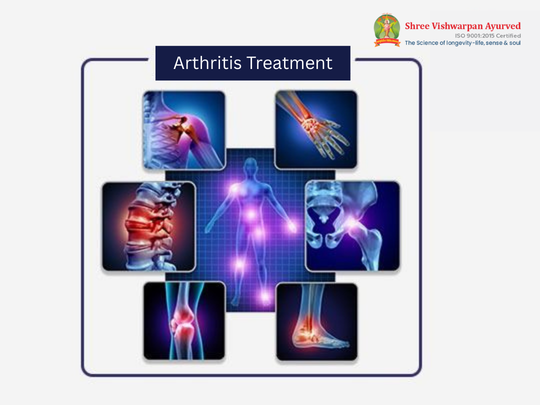
Joint pain is a common concern that affects people of all ages, making daily activities challenging and reducing overall quality of life. One of the natural approaches to manage this condition is Ayurvedic joint pain treatment in sinhagad road pune, which focuses on balancing the body, nourishing the joints, and restoring mobility. Unlike conventional methods that may only address pain temporarily, Ayurveda emphasizes the root cause of joint disorders, offering a holistic and long-term approach to joint health.
What is Sandhivat According to Ayurveda?
In Ayurveda, Sandhivat refers to arthritis—a condition marked by inflammation, stiffness, and discomfort in the joints. According to Ayurvedic principles, Sandhivat occurs due to an imbalance in the Vata dosha, which governs movement and flexibility in the body. When Vata becomes aggravated, it can lead to dryness in joints, reduced lubrication, and deterioration of cartilage. Over time, this imbalance manifests as pain, swelling, and limited mobility.
Ayurveda views the condition not merely as a mechanical problem but as a systemic imbalance that requires a combination of therapies, herbal medicines, dietary adjustments, and lifestyle practices to restore harmony.
Causes of Sandhivat (Arthritis)
Several factors contribute to the onset of Sandhivat, including:
- Age-related degeneration: Natural wear and tear in joints as part of the aging process.
- Accumulation of toxins (Ama): Improper digestion and toxin buildup can aggravate Vata and contribute to joint inflammation.
- Sedentary lifestyle or overuse: Lack of movement weakens joints, while excessive strain can damage cartilage.
- Environmental factors: Exposure to cold, damp conditions can worsen stiffness and pain.
- Stress and irregular routine: Mental stress and inconsistent daily habits disturb bodily balance and aggravate Vata.
Common Symptoms of Sandhivat
Recognizing the signs of Sandhivat early is crucial for effective management. Common symptoms include:
- Persistent joint pain that worsens with movement
- Morning stiffness lasting for extended periods
- Swelling and tenderness in affected joints
- Cracking or popping sounds during joint movement
- Reduced flexibility and limited range of motion
These symptoms can significantly impact daily activities, making simple tasks like walking, climbing stairs, or lifting objects difficult.
Types of Arthritis
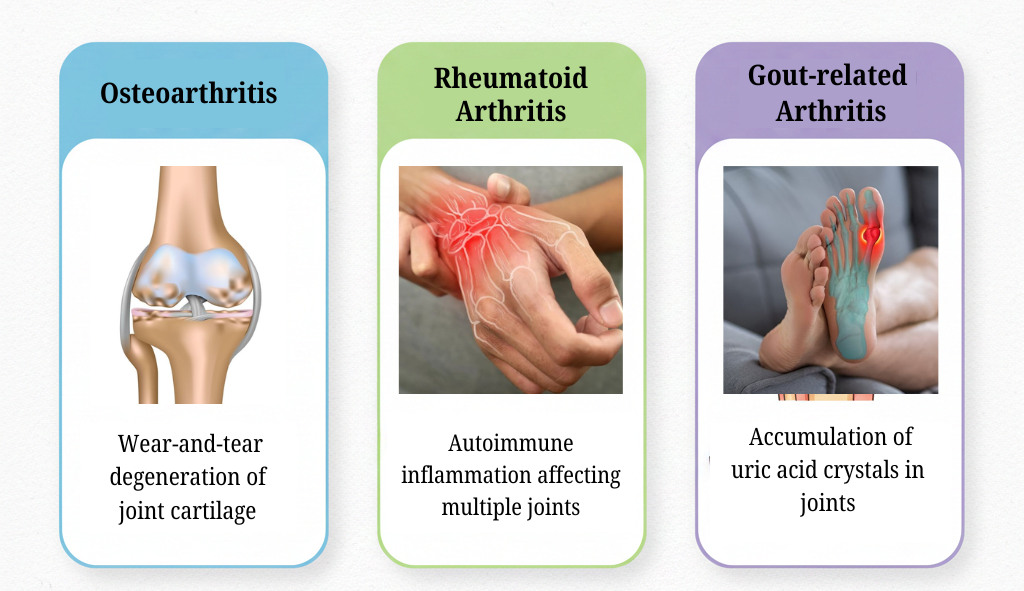
Ayurveda classifies joint disorders based on the underlying dosha imbalance and nature of the condition. Some common types include:
- Osteoarthritis: Wear-and-tear degeneration of joint cartilage
- Rheumatoid Arthritis: Autoimmune inflammation affecting multiple joints
- Gout-related Arthritis: Accumulation of uric acid crystals in joints
Ayurvedic therapies can be tailored to address the specific type and severity of joint issues, ensuring a personalized approach to treatment.
Diagnosis of Sandhivat in Ayurveda
Ayurvedic diagnosis involves a holistic assessment rather than just focusing on the joints. Key diagnostic steps include:
- Physical examination: Observing swelling, tenderness, and joint mobility
- Symptom-based assessment: Analyzing pain patterns, stiffness, and flexibility
- Dosha analysis: Determining the degree of Vata imbalance
- Early detection: Early diagnosis can prevent further joint degeneration and reduce chronic complications
A thorough understanding of the patient’s constitution, lifestyle, and dietary habits plays a crucial role in designing an effective treatment plan.
Ayurvedic Treatment for Sandhivat (Arthritis)
Along with medicines, diet, and lifestyle correction, Ayurveda offers several specialized therapies that directly support joint strength, lubrication, and pain relief. These treatments are selected based on the severity of Sandhivat, age, and body constitution.
Panchakarma Therapies
- Abhyanga (Medicated Oil Massage): Regular massage with herbal oils improves blood circulation, nourishes joints, and reduces stiffness.
- Swedana (Herbal Steam Therapy): Gentle steam therapy helps in alleviating pain and inflammation by loosening stiff joints.
- Basti (Medicated Enema Therapy): Considered highly effective for controlling Vata dosha, Basti nourishes the joints and strengthens the lower back and hips
- Shashtik Pinda Sweda
This nourishing therapy uses medicated rice boluses cooked in herbal milk and decoctions. It helps strengthen muscles, improve joint stability, reduce stiffness, and restore mobility, especially in degenerative arthritis. - Patra Pottali Sweda
In this treatment, herbal leaves are tied in a bolus and applied with warm medicated oil. It helps reduce pain, swelling, and stiffness by improving circulation and pacifying aggravated Vata in the joints.
- Janu Basti
A localized therapy where warm medicated oil is retained over the knee joint for a specific duration. Janu Basti is highly effective in knee arthritis, helping lubricate joints, reduce pain, and improve flexibility.
- Leech Therapy (Jalaukavacharana)
This blood-purification technique helps reduce inflammation and congestion in affected joints. It is especially useful in cases of swelling, tenderness, and chronic inflammatory arthritis.
- Agnikarma
A controlled therapeutic heat application that helps relieve chronic joint pain by improving local circulation and reducing nerve-related discomfort. It is often used when pain persists despite other treatments.
- Viddhakarma
A minimally invasive Ayurvedic technique where specific points are stimulated to relieve pain and stiffness. It helps restore energy flow and provides quick relief in musculoskeletal conditions.
- Raktamokshan (Bloodletting Therapy)
This detoxification therapy helps remove impure blood, reduce inflammation, and balance doshas. It is beneficial in inflammatory joint disorders where swelling and heat sensation are present.
- These therapies work synergistically to nourish joints, reduce degeneration, and support long-term joint health when performed under proper Ayurvedic guidance.
Ayurvedic Medicines
Herbal formulations play a key role in managing Sandhivat by reducing inflammation, lubricating joints, and promoting overall health. Common ingredients include:
- Ashwagandha: Helps reduce inflammation and strengthen muscles around joints
- Guggul: Supports cartilage health and reduces swelling
- Shallaki (Boswellia): Enhances joint mobility and reduces pain
These medicines are prescribed based on individual needs and the severity of the condition.
Diet and Lifestyle Management
A balanced diet and healthy routine are essential in managing arthritis naturally:
- Include warm, cooked, and easily digestible foods to pacify Vata
- Avoid cold, dry, and processed foods that aggravate joint stiffness
- Maintain regular sleeping and activity schedules
- Incorporate gentle exercises and light walking to enhance joint flexibility
Diet for Arthritis Treatment (Ayurvedic Perspective)
Diet plays a central role in managing joint health. Recommended foods include:
- Cooked vegetables, soups, and stews
- Whole grains like rice, oats, and wheat
- Nuts and seeds for natural oils and minerals
- Herbs like turmeric, ginger, and garlic with anti-inflammatory properties
Foods to avoid are cold salads, deep-fried items, excessive dairy, and processed snacks. Consistent adherence to a balanced diet helps in reducing inflammation and improving joint mobility.
Role of Yoga and Exercise
Regular movement is essential for maintaining joint function. Gentle yoga and stretching exercises:
- Enhance flexibility
- Strengthen surrounding muscles
- Improve balance and stability
- Reduce stiffness and prevent further joint deterioration
Consistency in performing these exercises is key to long-term joint health.
Benefits of Ayurvedic Arthritis Treatment
Adopting an Ayurvedic approach offers several advantages:
- Natural pain relief without side effects
- Long-term improvement in joint mobility and flexibility
- Addresses the root cause rather than temporary symptoms
- Enhances overall balance and well-being
By combining therapies, herbal medicines, diet, and lifestyle changes, Ayurveda provides a comprehensive and sustainable method for managing arthritis.
Who Can Benefit from Ayurvedic Treatment?
- Elderly individuals with age-related joint issues
- People suffering from chronic or recurring joint pain
- Patients with early-stage arthritis seeking natural management
- Individuals preferring non-surgical, holistic approaches
Preventive Measures for Joint Health
- Maintain a balanced diet rich in anti-inflammatory foods
- Keep a healthy weight to reduce joint stress
- Stay active with light exercises and walking
- Manage stress through meditation, breathing exercises, or relaxation techniques
Preventive practices help maintain joint health and may delay or prevent the onset of arthritis.
When to Consult an Ayurvedic Doctor?
Seek professional guidance if you experience:
- Persistent joint pain affecting daily activities
- Long-lasting morning stiffness
- Swelling, tenderness, or restricted movement
- No relief from temporary pain medications
Early intervention can prevent chronic complications and support better mobility over time.
Conclusion
Managing joint health through Ayurveda is a natural, holistic approach that addresses the root causes of pain and inflammation. By combining therapies, herbal remedies, diet, and lifestyle adjustments, individuals can achieve improved mobility, reduced stiffness, and long-term relief. With personalized guidance, Ayurvedic joint pain treatment in sinhagad road pune helps restore balance, strengthen joints, and enhance overall well-being, offering a sustainable solution for managing arthritis naturally.
FAQs
Q1. Can Ayurveda completely cure arthritis?
Ayurveda focuses on managing symptoms, restoring balance, and preventing progression. While it may not always completely cure degenerative forms, it provides significant relief and improved quality of life.
Q2. How long does it take to see results from Ayurvedic treatment?
Results vary depending on the severity of the condition, lifestyle, and consistency with treatment. Noticeable improvements can appear within a few weeks, while long-term management ensures lasting benefits.
Q3. Are Ayurvedic treatments safe for all ages?
Yes, with proper guidance from a qualified practitioner, Ayurveda is generally safe for people of all ages, including the elderly.
Q4. What lifestyle changes help in managing arthritis naturally?
Maintaining a balanced diet, staying physically active, reducing stress, and following a consistent daily routine all support joint health.
Q5. Can diet alone help manage joint pain?
Diet is a crucial component of management, but combining it with therapies, medicines, and exercises gives the best results.